

The Basics of Balanced Nutrition: Everyday Healthy Choices

What is a Balanced Diet?
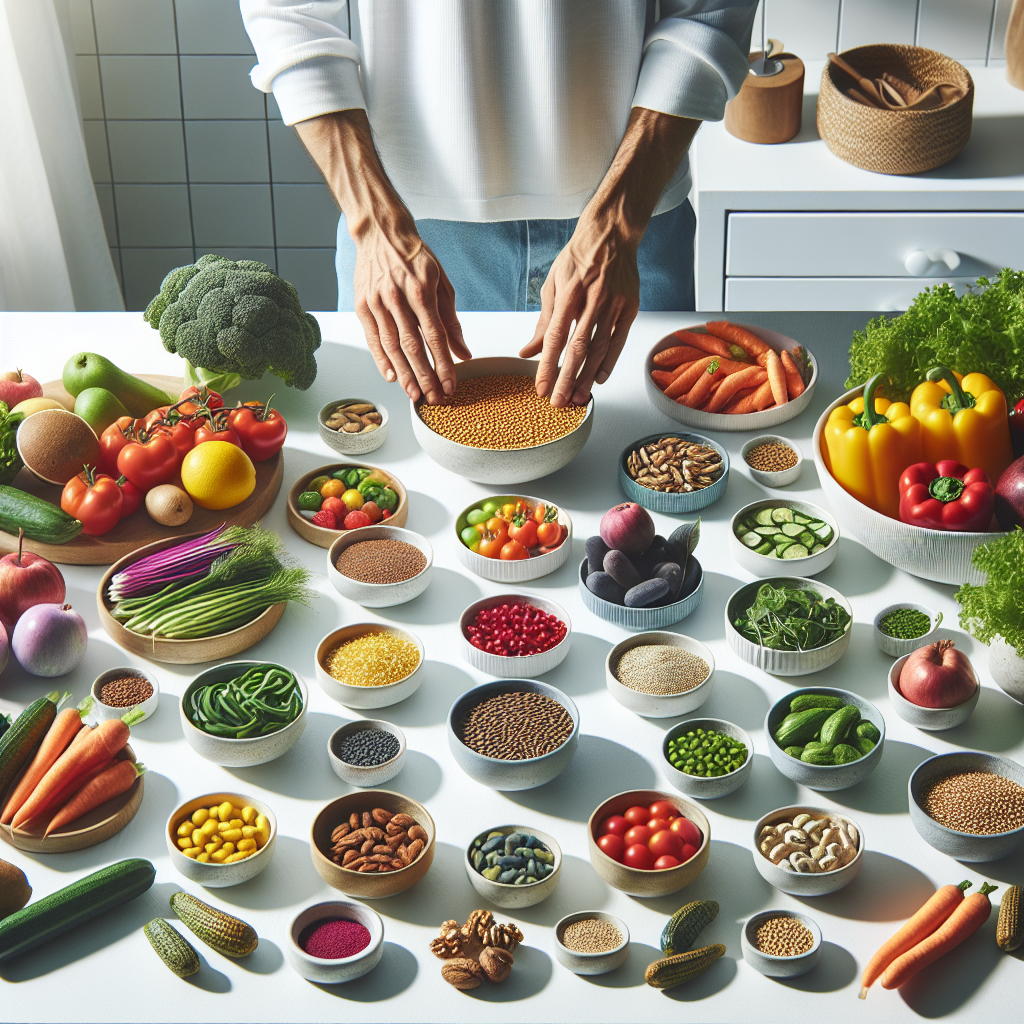
A balanced diet is about eating the right amount and quality of foods from different food groups. This helps to ensure that the body gets all the essential nutrients it needs and supports overall health. It is important to focus on vegetables, fruits, whole grains, healthy fats, and enough protein.
The Basics of Everyday Healthy Choices
- Whole foods: Unprocessed or minimally processed foods should be the priority. Whole foods such as whole grains, fresh fruits and vegetables, and nuts are rich in vitamins, minerals, and fiber.
- Fiber: Fiber-rich foods (such as legumes, vegetables, and whole grains) that support the digestive system and increase satiety should be included in the daily diet.
- Protein: Protein is essential for tissue repair and energy. Plant-based proteins (lentils, peas, nuts) and animal-based proteins (chicken, fish) should be consumed in a balanced manner.
- Healthy fats: It's best to get your daily fats from healthy sources like olive oil, avocados, and nuts. These fats can support heart and brain health.
- Portion control: Paying attention to food portions helps maintain a healthy weight and prevent overeating. Portions should be adjusted according to individual needs.
How to Choose the Right Portion?
Healthy portion choices are based on your body's energy needs and nutrient balance. For example, half of your plate should be filled with vegetables and fruits, a quarter with protein, and a quarter with whole grains. This approach supports a healthy weight and provides variety in your diet.
Main Food Groups That Should Be Represented in Your Diet
- Vegetables and fruits: Try to choose a variety of foods and colors. Include a variety of foods in your diet every day.
- Whole grains: It is recommended to choose whole grains such as oats, wheat, buckwheat, and corn instead of products made from white flour.
- Protein sources: It may be beneficial to limit the amount of red meat and opt for more plant-based proteins and fish.
- Healthy fats: Stay away from trans fats and regularly consume products such as walnuts, almonds, and olive oil.
Practical Tips for a Daily Balanced Diet
- When shopping at the market, opt for fresh and minimally processed foods.
- When preparing products, choose cooking methods with minimal oil use (steaming, boiling, etc.).
- Plan small, healthy snacks in between, such as almonds, fruit, or yogurt.
- Eat slowly and carefully when eating, and do not exceed portion limits.
- Increase your daily water consumption and stay away from sugary drinks.
General Benefits of a Balanced Diet
Since such a diet contains the essential nutrients the body needs, it can help restore overall energy, support the immune system, and improve quality of life. In addition, healthy eating habits will become a more comfortable lifestyle in the long run.
Don't just read articles like this and start today for tomorrow. ( Slimming tea )